The 8 Best Smart Thermostats For Home Assistant of 2026
Finding the right Best smart thermostats for home assistant can be tricky. We reviewed 8 top models for November 2026, including picks from Sensi, Honeywell International, Honeywell Home, to help you choose.
 By Noah Fischer
Updated November 12, 2026
Chasing the perfect home temperature can feel like a constant battle—waking up to a chilly house, wasting energy on an empty home, or dealing with frustratingly complex programming. The right smart thermostat should simplify your life, not complicate it. For a seamless home assistant setup, focus on three key decisions: compatibility with your existing HVAC system, the depth of smart home integration (like Matter support or built-in voice assistants), and features that match your lifestyle, such as occupancy sensing or multi-room temperature management.

After comparing the latest models, we find the ecobee Smart Thermostat Enhanced offers the best overall balance of energy savings, compatibility, and smart features for most homes. For those deeply invested in the Google ecosystem and seeking a premium learning experience, the Google Nest Learning Thermostat (4th gen) is a standout choice. For more insights into managing your home environment, explore our guide on the best air purifiers for allergies.
The 3 Best Smart Thermostats For Home Assistant on Our Shortlist (November 2026)

- Best for: Whole-home energy savings
- Compatibility: 90% of HVAC systems
- Occupancy Sensing: Built-in
- Smart Home: Alexa, Google, Apple, SmartThings

- Best for: Premium integrated security
- Air Quality Monitor: Built-in
- Smart Speaker: Siri & Alexa Built-in
- Video Doorbell Feed: Stream live view
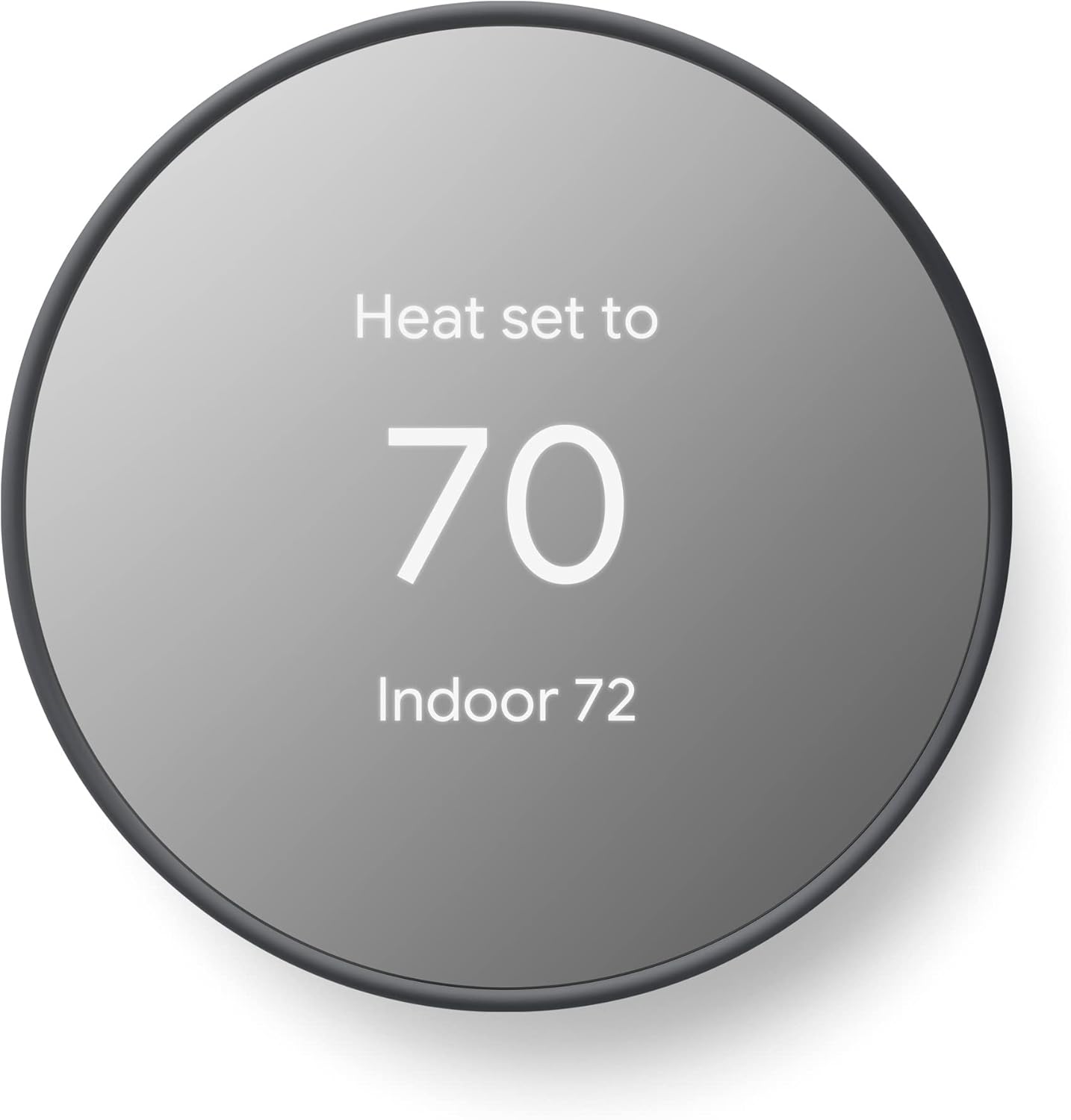
- Best for: Simple, budget-friendly automation
- Installation: No C-wire required in most homes
- Control: Google Home app & voice
- Design: Sleek, minimalist
This post may contain affiliate links. As an Amazon Associate we earn from qualifying purchases.
Quick Comparison
| Award | Product | APT Score About LAT ScoreThe APT Score is our own rating from 0 to 10, based on performance, design and build, ease of use, and value. It reflects independent research and is never influenced by manufacturers, retailers, or affiliate commissions. Learn more › | Price | |
|---|---|---|---|---|
| Best Overall |
 Sensi Touch ST75 Wi-Fi Smart Thermostat |
8.4/10 | $110.49 | Buy |
| Best Value |
ecobee Smart Thermostat Enhanced Programmable Wifi
|
8.4/10 | $175.88 | Buy |
| Best Premium |
 Honeywell Home T9 Wi-Fi Smart Thermostat |
8.4/10 | $219.10 | Buy |
| Top Rated |
Google Nest Learning Thermostat 4th Gen
|
8.4/10 | $219.99 | Buy |
| Most Popular |
 Honeywell Home RTH9585WF Smart Color Thermostat |
8.3/10 | $155.00 | Buy |
| Also Great |
ecobee Smart Thermostat Premium with Smart Sensor
|
8.3/10 | $238.99 | Buy |
| Best Budget |
 ecobee Smart Thermostat Essential WiFi Thermostat |
8.1/10 | $130.00 | Buy |
| Also Great |
Google Nest Thermostat Smart Programmable Wi-Fi
|
8.0/10 | $89.99 | Buy |
Sensi Touch ST75 Wi-Fi Smart Thermostat
This Energy Star-certified smart thermostat prioritizes data privacy while offering robust remote control and scheduling features. Its DIY-friendly installation and compatibility with major smart home platforms make it a solid, self-service option for modernizing an existing HVAC system.
Pros
- Strong commitment to data privacy with a no-sell policy for personal information
- Energy Star certification and features like scheduling aim to reduce HVAC energy use
- Compatible with Alexa, Google Assistant, Apple HomeKit, and other major platforms
- Designed for easy DIY installation with app-guided steps and a built-in level
- Provides smart maintenance alerts for system performance and filter changes
Cons
- Requires a common wire (c-wire) for installation, which not all homes have
- Relies on AA batteries as a power source in addition to AC/DC
ecobee Smart Thermostat Enhanced Programmable Wifi
This smart thermostat aims to reduce energy costs by up to 26% through automatic adjustments based on occupancy and schedule. It's a strong choice for DIY installers thanks to broad HVAC compatibility and an included power extender kit. Users who want voice control and app-based remote management will find it integrates well with major smart home platforms.
Pros
- Promises significant annual energy savings through automated scheduling and occupancy sensing.
- Broad compatibility with 90% of HVAC systems and includes components for easy DIY installation.
- Offers extensive smart home integration with Amazon Alexa, Google Assistant, Apple HomeKit, and SmartThings.
- Comes with a 3-year manufacturer warranty for added peace of mind.
Cons
- SmartSensors for room-by-room comfort monitoring are sold separately.
- Requires a C-wire or the use of the included power extender kit for installation, which may add complexity for some systems.
Honeywell Home T9 Wi-Fi Smart Thermostat
This smart thermostat automates heating and cooling for energy savings, with a focus on multi-room comfort using optional sensors. It's a strong choice for homeowners with compatible forced-air or heat pump systems who want utility rewards and remote control via app or voice.
Pros
- Helps save energy with adaptive scheduling and monthly energy reports.
- Compatible with Alexa and Google Assistant for voice control.
- Smart Room Sensor ready for multi-room temperature focus.
- Includes a power adapter for C-wire compatibility in most homes.
- Intelligently learns heating and cooling patterns for automatic adjustments.
Cons
- Not compatible with electric baseboard heat (120-240V).
- Smart Room Sensors are sold separately.
- Requires a C-wire or its included adapter for operation.
Google Nest Learning Thermostat 4th Gen
This premium smart thermostat learns your schedule over time, aiming to reduce energy use automatically. Its included second-generation sensor helps manage specific room temperatures, and its large, bright display is a design highlight.
Pros
- Learns temperature preferences and creates an automatic schedule for potential energy savings
- Includes a Nest Temperature Sensor to help manage hot or cold spots in specific rooms
- Large, high-contrast display with auto-brightness is highly visible
- Compatible with most 24V HVAC systems and major smart home platforms (Matter, Alexa, Google Assistant, Siri)
- Features like Adaptive Eco use outdoor temperature data to optimize efficiency
Cons
- Premium price point compared to basic programmable thermostats
- Requires a compatible 24V HVAC system, which may not be present in all homes
- Setup and integration, while designed for DIY, may be complex for some users
Honeywell Home RTH9585WF Smart Color Thermostat
A versatile smart thermostat for homeowners seeking control and energy savings. Its customizable color screen and flexible programming adapt to any schedule, while Wi-Fi and voice control offer convenient remote management.
Pros
- Customizable color touchscreen for personalization
- Energy Star certified with energy usage reports
- Flexible programming and remote control via Wi-Fi app
- Works with Amazon Alexa and Google Home for voice control
- Provides intelligent alerts for filters and system performance
Cons
- Requires a C-wire for installation, which not all homes have
- Not compatible with electric baseboard heat (120-240V)
ecobee Smart Thermostat Premium with Smart Sensor
This premium smart thermostat goes beyond temperature control by integrating air quality monitoring and security features. It learns your routine with a radar occupancy sensor and uses a separate SmartSensor to manage room-by-room comfort. It's designed for homeowners seeking a comprehensive, connected hub for comfort, air quality, and home awareness.
Pros
- Includes a SmartSensor to intelligently adjust temperatures in occupied rooms
- Built-in air quality monitor tracks pollutants and sends alerts
- Integrates security features like a live doorbell camera view and smoke alarm listening
- Comes with Power Extender Kit for easy DIY installation in homes without a C-wire
- Offers voice control via built-in Siri or Alexa and supports major smart home platforms
Cons
- Enabling Siri requires an Apple home hub
- Some advanced security features require a separate ecobee Smart Security subscription
- The system's extensive features may be overkill for users wanting simple temperature scheduling
ecobee Smart Thermostat Essential WiFi Thermostat
This energy-efficient smart thermostat offers a budget-friendly entry point to automated home climate control. It promises significant savings on heating and cooling bills and features easy DIY installation, even in homes without a C-wire. Its compatibility with major smart home platforms and color touchscreen makes it a solid choice for first-time smart thermostat buyers.
Pros
- Energy Star certified with claims of up to 23% annual savings on energy bills
- Broad compatibility with 85% of 24VAC HVAC systems and major smart home ecosystems (Apple HomeKit, Google, Alexa)
- Simplified DIY installation with support for homes lacking a C-wire via a separate Power Extender Kit
- User-friendly 3.74-inch color touchscreen and companion app for remote control
Cons
- Essential accessories like the Power Extender Kit and SmartSensors are sold separately
- The plastic build and matte finish, while functional, may feel less premium compared to some competitors
Google Nest Thermostat Smart Programmable Wi-Fi
A budget-friendly smart thermostat from Google designed for straightforward DIY installation. It aims to save energy by automatically adjusting when you're away and offers control via a mobile app. This model is a solid choice for those looking to add basic smart home climate control without a complex setup.
Pros
- ENERGY STAR certified for energy savings
- Designed for DIY installation, typically under 30 minutes
- Remote control via smartphone app from anywhere
- Offers HVAC system monitoring and maintenance alerts
- Compatible with Google Assistant and Matter-certified voice assistants
Cons
- Voice control requires a separate compatible smart device
- Nest Renew feature has specific eligibility requirements and limited availability
- May require a C wire or power accessory for some heating/cooling system types
How We Picked
We built this list by analyzing specifications, verified user feedback, and manufacturer data for the most popular models on the market. Our goal was to provide an objective comparison based on consistent criteria relevant to home assistant integration. We prioritized features that deliver real-world convenience and efficiency, not just technical specs.
- Smart Home Ecosystem Compatibility: How well does it work with Amazon Alexa, Google Assistant, Apple HomeKit, or Matter?
- Installation & HVAC Compatibility: Is a C-wire required? Does it work with common system types (heat pump, forced air, etc.)?
- Automation & Intelligence: Does it offer geofencing, occupancy sensing, learning schedules, or remote room sensors?
- Energy Management: Are there detailed energy reports, utility program support, or proven savings estimates?
- User Interface & Control: How intuitive are the physical controls, companion app, and voice commands?
Buying Guide: Making Sense of Best Smart Thermostats For Home Assistant
Check Your Compatibility First
The most critical step is ensuring the thermostat works with your heating and cooling system. Most models require a common wire (C-wire) for consistent power, but some, like the Google Nest Thermostat – Smart Thermostat for Home, include technology to work without one in many homes. Always use the manufacturer’s online compatibility checker before purchasing. This is as important as ensuring the right fit when selecting the best water filters for kenmore refrigerator.
Define Your Smart Home Goals
Consider which voice assistants or platforms you use. Do you want a thermostat with a built-in smart speaker, like the ecobee Premium? Is Matter compatibility important for future-proofing? If you use multiple room sensors, ensure the thermostat supports them to combat hot or cold spots effectively.
For advanced whole-home automation, a model like the Honeywell Home T9 WIFI Smart Thermostat offers robust geofencing and the ability to focus temperature control on occupied rooms via optional sensors.
Prioritize Meaningful Automation
Look for features that create genuine “set it and forget it” comfort. Geofencing uses your phone’s location to switch to an Eco mode when you leave. True occupancy sensing uses sensors to detect people, not just motion. Learning thermostats build a schedule around your adjustments, while programmable ones require you to set the schedule manually.
Quick Checklist
- Confirmed HVAC system compatibility using the official online checker.
- Verified C-wire status or identified if a power extender kit is needed.
- Matched smart home platform support (Alexa, Google, Apple, Matter) with your existing devices.
- Decided if you need features like occupancy sensing, learning schedules, or multi-room sensor support.
- Checked for ENERGY STAR certification and utility rebate eligibility in your area.
Related reading: For other ways to improve your home’s air, see our review of the best air purifiers for smells.
FAQs
What is the best smart thermostats for home assistant in 2026?
The “best” depends on your specific needs. For most users seeking a balance of energy savings, broad compatibility, and smart features, the ecobee Smart Thermostat Enhanced is an excellent choice. It works seamlessly with major home assistant platforms.
Do I need a C-wire for a smart thermostat?
Many smart thermostats require a C-wire for constant power. However, some models include a Power Extender Kit (PEK) or other technology that allows installation without one. Always check the specific model’s requirements. For more on home system compatibility, our guide on the best whole house fans for cooling without ac covers another important aspect of home climate control.
Can I control it when I’m not at home?
Yes, all Wi-Fi smart thermostats on this list offer remote control through a companion smartphone app. This allows you to adjust the temperature, change modes, or check your system status from anywhere with an internet connection.
What is the difference between a learning and programmable thermostat?
A learning thermostat, like the Google Nest Learning model, observes your manual temperature adjustments over about a week and creates an automatic schedule. A programmable thermostat requires you to manually set a time-and-temperature schedule for each day of the week.
Are room sensors worth it?
Room sensors are valuable if you have significant temperature variations between rooms or want to prioritize comfort in specific areas, like a nursery or home office. They allow the thermostat to target the temperature based on occupancy in those rooms rather than just the hallway where the main unit is installed.
How difficult is DIY installation?
Most modern smart thermostats are designed for DIY installation with clear step-by-step app guidance, labeled wires, and included tools. The Sensi Touch Smart Thermostat by Emerson is often praised for its straightforward process. However, if you are uncomfortable working with electrical wiring, hiring a professional is recommended. For other simple DIY home improvements, consider the best faucet water filters.
Final Thoughts
The ecobee Smart Thermostat Enhanced stands out for its robust energy-saving automation and broad compatibility, making it a reliable choice for most households seeking smarter climate control. If your priority is a premium device that integrates security and air quality monitoring directly into the thermostat interface, the ecobee Smart Thermostat Premium is built for that comprehensive role. For those on a tighter budget who still want reliable smart scheduling and Google Home integration, the Google Nest Thermostat delivers core functionality without complexity. For related comfort solutions, explore our recommendations for the best travel humidifiers for hotel rooms. Before installation, take a clear photo of your old thermostat’s wiring for easy reference, and ensure you have turned off the power to your HVAC system at the circuit breaker.
About the author
Writer, Cleaning Gear & Accessories. Noah writes about cleaning gear and accessories, from replacement filters and vacuum attachments to small tools. He focuses on compatibility, durability and value for money.